
Competitive Landscape
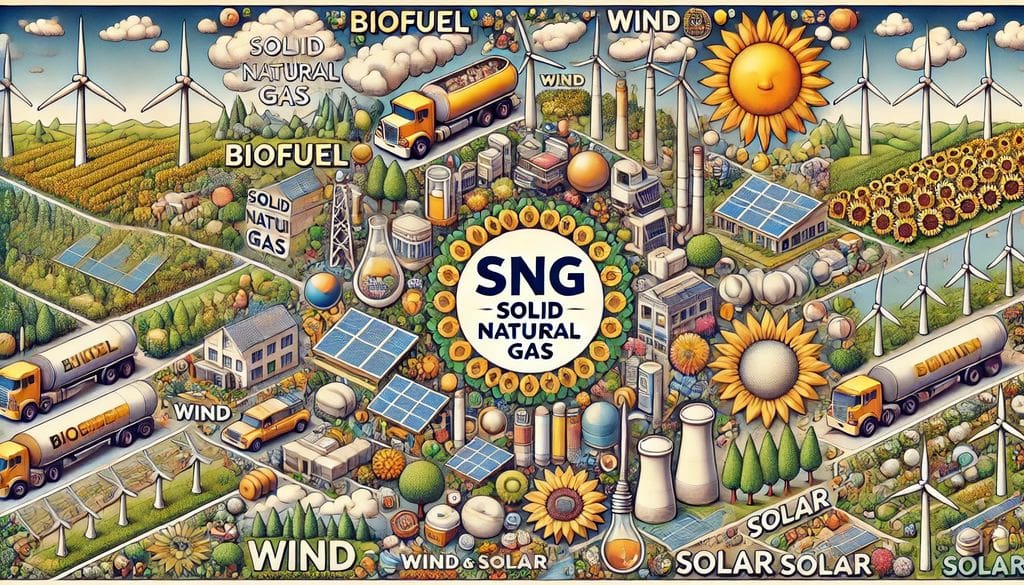
SNG is currently a pioneer and mind-blowing invention in the industry landscape with its proprietary process for transforming natural gas into solid natural gas products. Therefore, the company does not have any direct competitors. However, other forms of energy sources, both renewable and non-renewable, can still be assessed as potential competitors:

Solid Natural Gas (SNG)
SNG is protected by multiple granted patents, providing comprehensive intellectual property protection for its proprietary technology. Designed to be exceptionally clean, environmentally responsible, safe, reliable, convenient to handle, highly scalable, exceptionally economical, and operationally simple to store and transport, SNG will redefine how natural gas is distributed and utilized worldwide while providing a highly affordable source of energy. With a substantially higher calorific value than coal, SNG is intended to provide a cleaner and more efficient alternative for power generation and energy intensive industries. As global energy demand continues to accelerate, driven by artificial intelligence, advanced manufacturing, digital infrastructure, cryptocurrency mining, electrification, the continued expansion of industries, and the growth of the global economy, SNG is positioned to help address these growing energy requirements by leveraging the world’s abundant natural gas resources.
Biofuel Energy
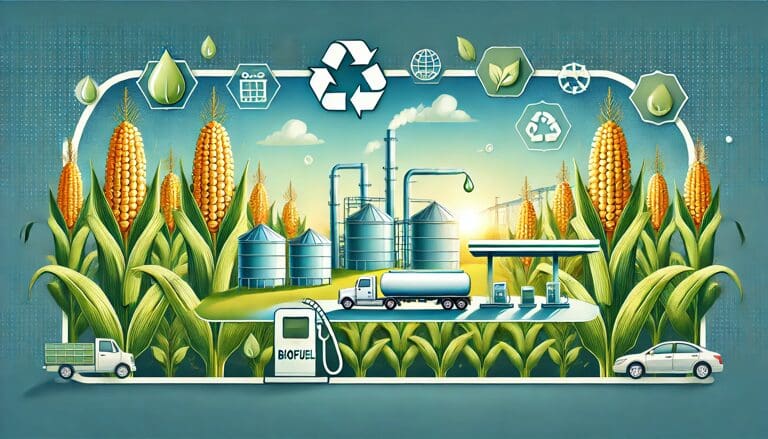
Biofuel energy results in emissions including CO2, CO, and sulfur. Ashes from its burning contains harmful metals such as cadmium and lead. In addition, it is less efficient than fossil fuels and increases the carbon footprint due to needing cultivation and harvest of crops in addition to the destruction of forests for crop plantation. Production costs are also higher than those of fossil fuels.
Geothermal Energy
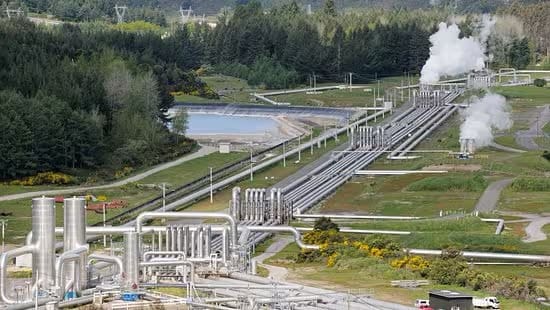
Geothermal energy is not a practical and it does not constitute a global energy solution. In extreme cases, geothermal power plants may cause earthquakes. It also comes with high upfront costs and is difficult to sustain due to needing reservoirs to be properly monitored and managed.
Hydropower
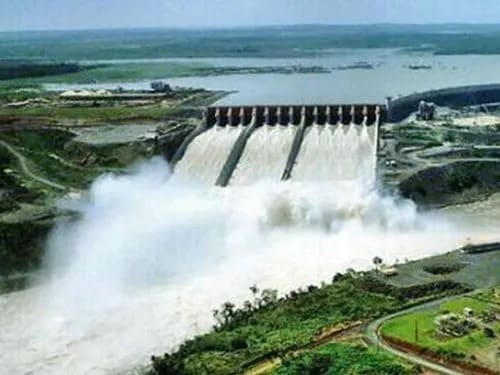
Hydropower forces the relocation of people and animals, may alter the flow and temperature of water, and may lower the level of dissolved oxygen in the water. This change, in turn, may result in disturbed river habitats and fish populations, in addition to the creation of methane. Also, hydropower is affected by droughts and is a more expensive source of energy.
Petroleum
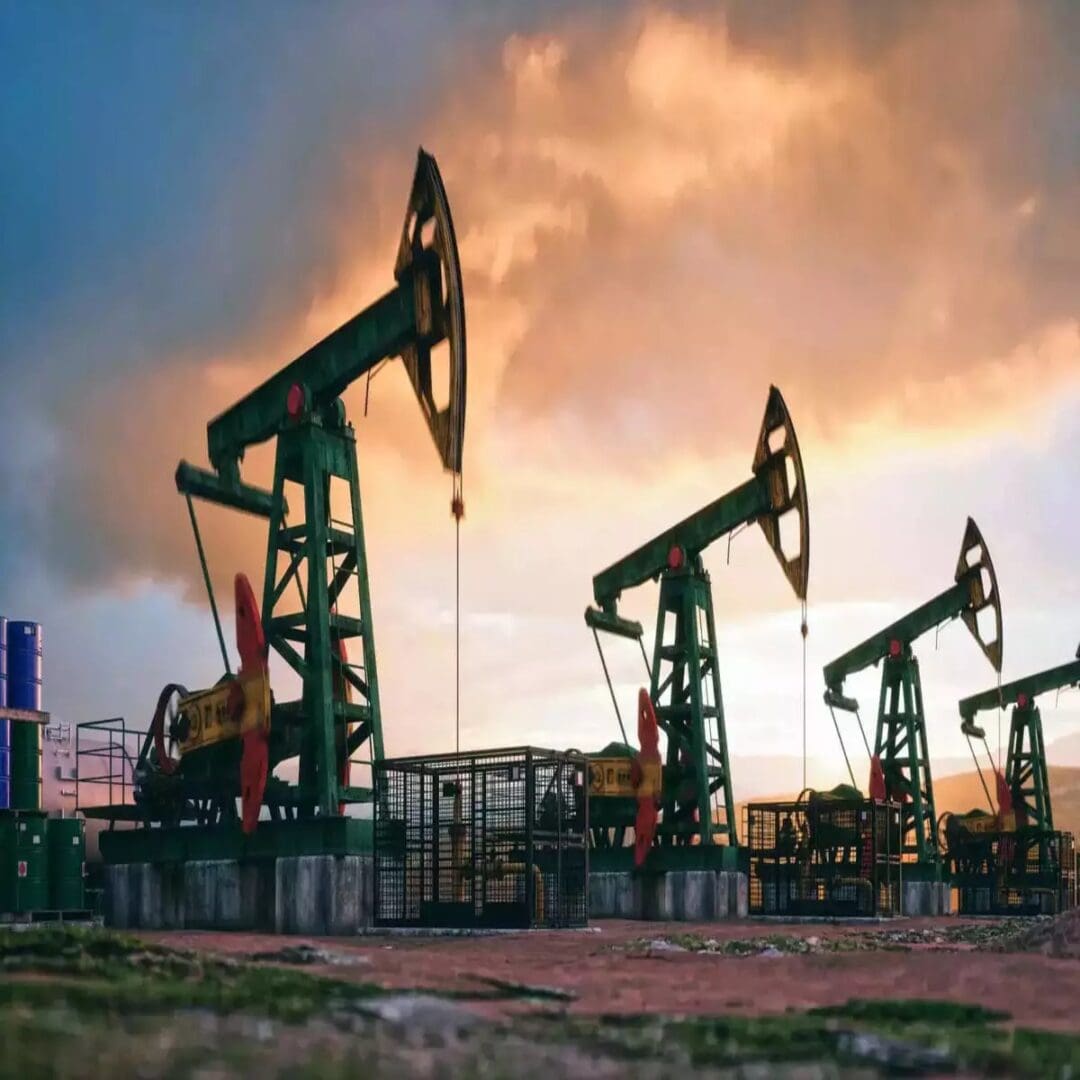
Petroleum is a mature and reliable source of energy. However, it has many dramatic negative effects on the environment and climate change. Its drilling operations disrupt wildlife habitats and cause landscape impacts through the removal of vegetation and an increase in erosion. This can lead to landslides and floods. Petroleum energy also pollutes water, produces methane, CO2, CO, and other air pollutants. It has impacts on animals due to oil spills, urban runoffs, and natural seeps. Petroleum is also non-renewable.
Solar Energy
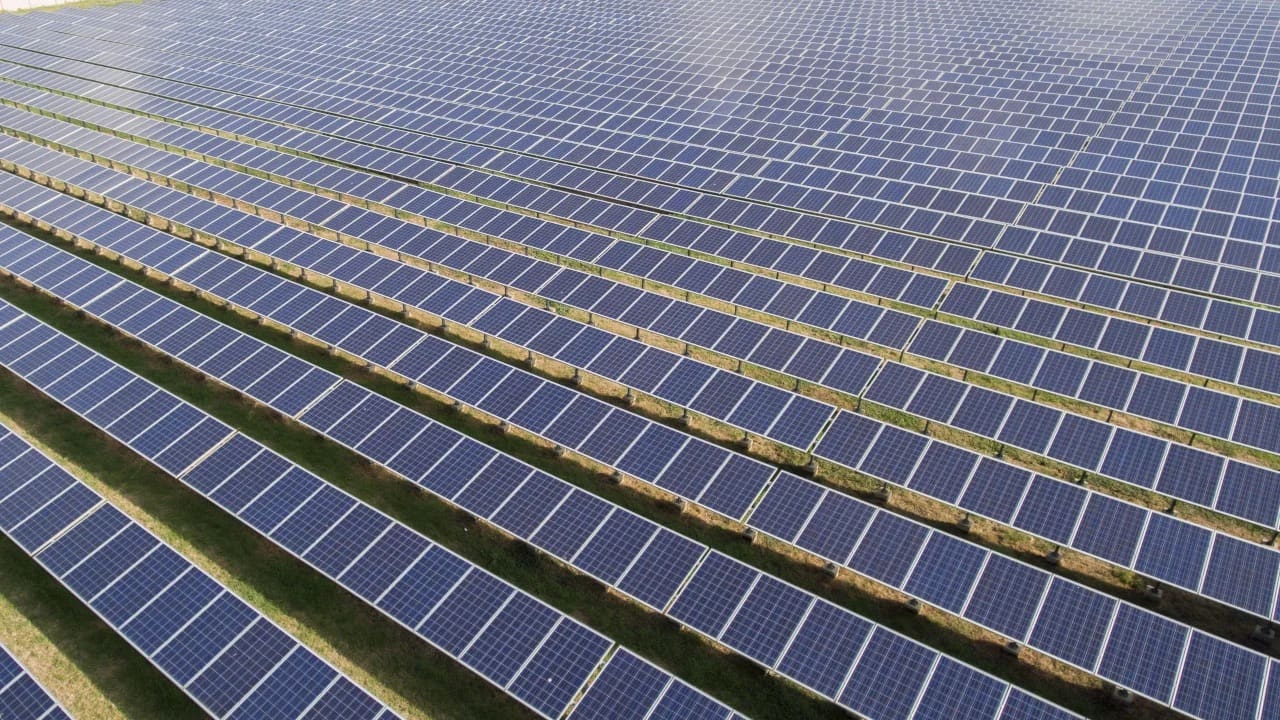
Solar energy is an unreliable source of energy since it is intermittent depending on location and amount of sunlight, and solar panels only last 15 to 20 years. It also requires a high upfront investment. Solar panel production can emit harmful greenhouse gases, and certain solar cells require rare and expensive materials. Finally, it requires a large space in which to operate. A consensus among experts globally firmly declares that solar energy is regarded as an unreliable source of energy. This resounding stance underscores the prevailing belief that a mere 3% of the world’s total energy originates from solar contributions.
Nuclear Energy
Fission
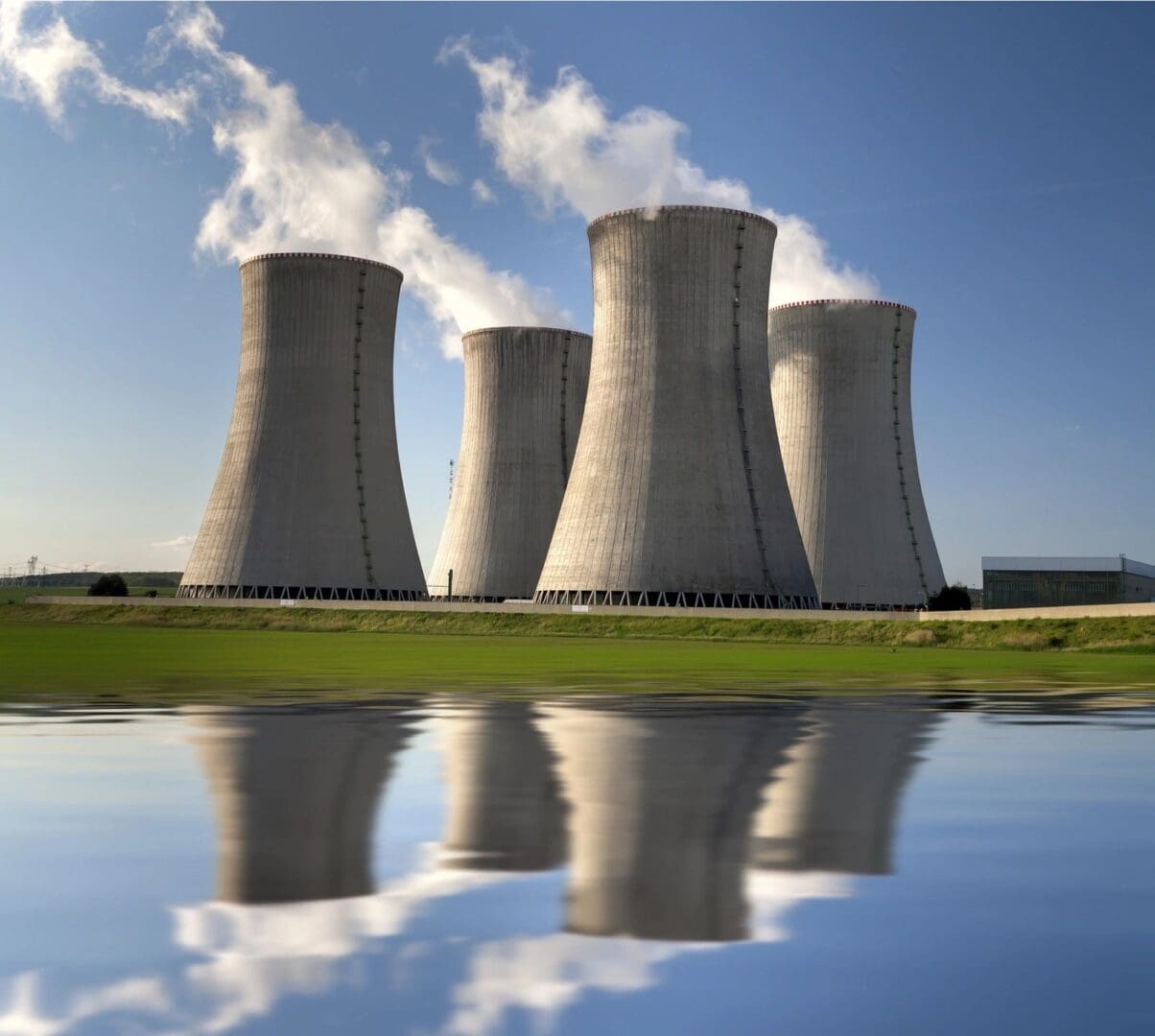
The accelerating pace of global warming and the increasingly severe climate disruptions observed worldwide underscore the urgent need for energy solutions that are both sustainable and resilient. Although nuclear power is frequently promoted as a comprehensive long term solution, substantial environmental and geological concerns raise serious questions regarding its viability as a universally safe and future proof option.
Scientific observations indicate that glacier melt rates have increased dramatically compared to previous decades. The rapid reduction in glacial mass, which for millions of years exerted immense pressure on the Earth’s crust, alters weight distribution across tectonic regions. This process, known as isostatic rebound, changes crustal stress patterns. Such shifts in crustal pressure, when combined with existing fault dynamics, would influence seismic activity, resulting in earthquakes that are markedly more frequent and substantially more powerful. Seismic activity beneath or near oceanic regions would in turn generate tsunamis that are more frequent and exponentially more destructive, events of a magnitude not previously experienced in the modern era. Concurrently, warming oceans are associated with intensified storm systems and increasingly powerful hurricanes, reflecting broader environmental destabilization.
Many nuclear facilities are located along coastlines to secure access to large volumes of cooling water. While technically practical, coastal placement exposes such facilities to heightened risks from storm surges, extreme weather, and tsunamis. The 2011 Fukushima Daiichi disaster demonstrated that even advanced technological safeguards may not eliminate vulnerability to large scale natural catastrophes. That event illustrated how a single extreme occurrence can overwhelm layered safety systems, producing long term environmental, economic, and social consequences. Historical precedent further shows that catastrophic nuclear incidents often lead governments to impose moratoriums, suspensions, or outright bans on nuclear development. Should future tsunamis, potentially more powerful than any previously recorded, strike coastal nuclear infrastructure, policy responses would likely be swift and severe, rendering billions of dollars in nuclear investments stranded assets following a major failure.
Inland nuclear facilities are not immune to these risks. With earthquakes projected to become more frequent and more powerful, and severe storm systems affecting wider geographic areas, land based nuclear plants remain highly vulnerable. While coastal installations face additional tsunami exposure, inland facilities remain subject to significant seismic and extreme weather threats, making them inherently risky infrastructure investments.
Nuclear energy also presents substantial long term waste management challenges. Nuclear waste requires approximately eight to ten years of cooling in large reservoirs before it can be transferred into sealed containment systems, typically reinforced containers or steel barrels placed within geological rock formations for long term storage. Over extended time horizons, containment degradation or leakage poses serious environmental hazards, as radioactive materials are inherently toxic and carry potentially irreversible consequences for planet Earth.
In addition to environmental and operational risks, nuclear power plants demand extraordinary capital investment and extended development timelines. When considered alongside increasing geological instability and intensifying climate events, the financial exposure becomes even more pronounced.
The continued global reliance on such high risk, capital intensive infrastructure is largely driven by the perceived absence of a reliable alternative. In the absence of safer and more practical solutions, governments and institutions feel compelled to pursue options that carry significant environmental, financial, and societal risks. However, allocating billions of dollars to infrastructure vulnerable to increasingly severe natural events, events capable of triggering devastating consequences for human life, animal life, ecological systems, and the long term stability of our planet, represents a compounding strategic risk.
Accordingly, in light of accelerating climate change and escalating geological uncertainty, global energy policy must prioritize solutions that are inherently safe, structurally resilient, economically rational, and environmentally responsible, thereby safeguarding human life, animal life, and the enduring sustainability of planet Earth.
Fusion
Fusion power remains one of the most technically challenging, capital-intensive, and engineering-complex energy technologies ever undertaken and continues to face significant technical, regulatory, financial, and commercialization risks, including the possibility that one or more major projects may fail to achieve their intended commercial objectives. The construction of a commercial-scale fusion power facility requires extraordinarily complex engineering, extensive regulatory approvals, lengthy permitting processes, and substantial infrastructure development, resulting in project timelines that are commonly measured in decades, with large-scale facilities often expected to require approximately 25 years from conception to commercial operation. Large demonstration projects have estimated costs in the tens of billions of dollars, with projects such as ITER exceeding approximately $40 billion in projected cost. A fusion reactor must simultaneously maintain superconducting magnets at approximately −459.67°F (absolute zero) while confining plasma at temperatures of approximately 27 million°F, which is comparable to, or hotter than, the temperature at the center of the Sun. Maintaining these two extreme operating environments in close proximity represents one of the most demanding engineering challenges ever attempted. In addition, many fusion reactor designs require the handling of tritium, a radioactive isotope of hydrogen, creating significant challenges associated with tritium containment, leakage prevention, recovery, worker protection, environmental safeguards, and regulatory compliance. Additional challenges include severe materials degradation caused by high-energy neutron bombardment, limited service life of critical reactor components, highly specialized maintenance requirements, substantial internal energy consumption, fuel breeding and tritium management, supply chain constraints, and the development of economically viable systems capable of operating reliably on a continuous commercial basis. Although some scientific progress has been achieved, commercially widespread fusion power has not yet been demonstrated, and the timeframe for large-scale commercial deployment remains highly uncertain. Many independent assessments continue to project that widespread commercial adoption could still be several decades away, with some analyses suggesting that meaningful large-scale deployment may not occur for least 40 to 50 years, if the remaining scientific, engineering, regulatory, and economic challenges can ultimately be overcome. Accordingly, fusion energy continues to present substantial technical uncertainty, exceptional financial risk, extended development timelines, and significant commercialization challenges, making it one of the highest-risk and most complex energy technologies currently under development.
Wind Energy
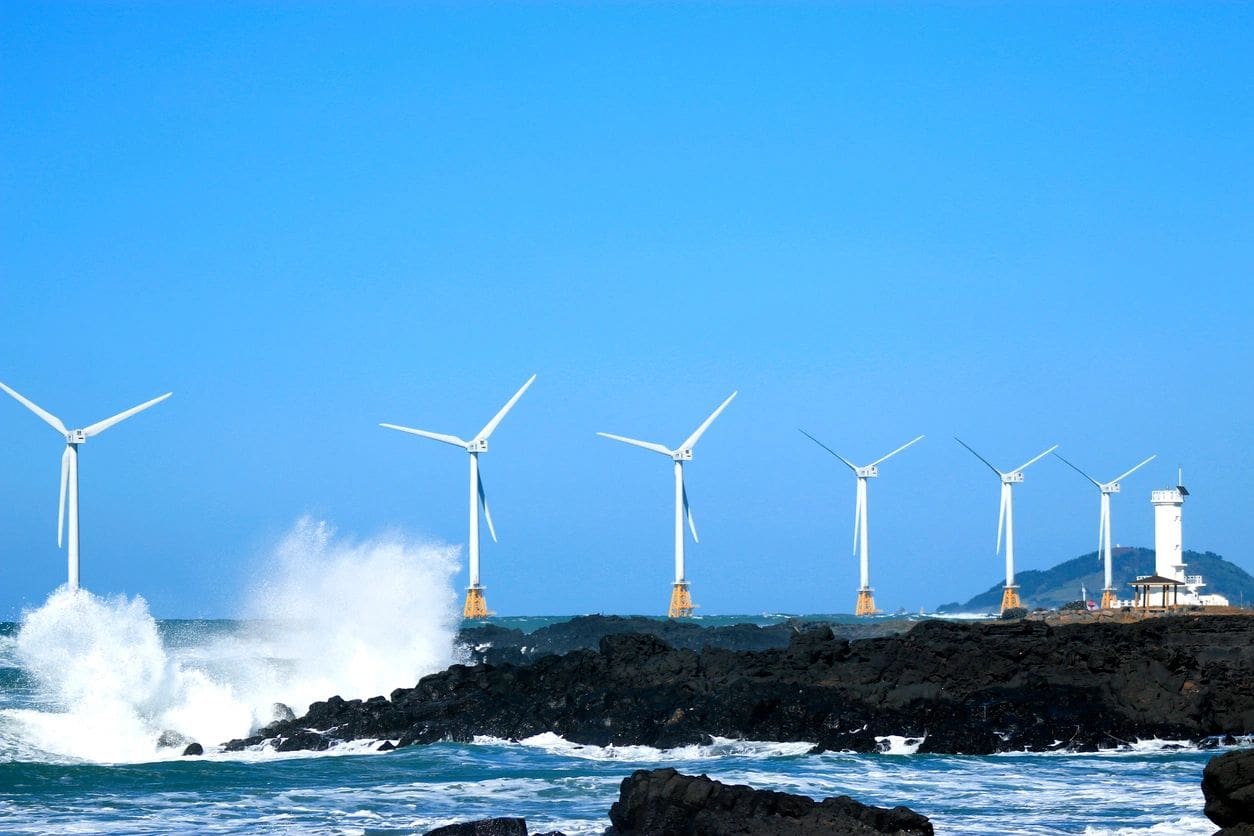
Wind energy is intermittent and unpredictable, potentially killing birds, requiring a high upfront investment, biological impacts, as well as noise and visual pollution. Many Experts worldwide assert that wind energy is not a reliable source of energy. The manufacturing and transportation of wind energy components cause pollution.
Hydrogen Energy
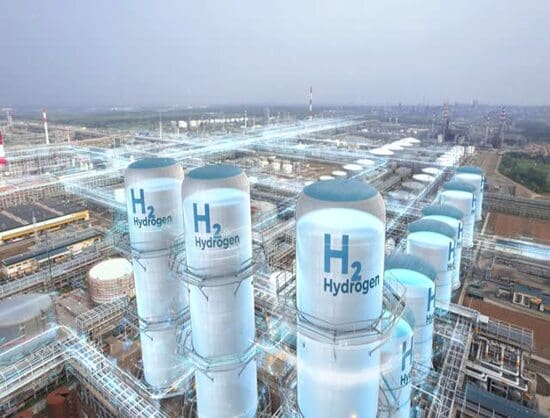
With the introduction of SNG, hydrogen is now a competing energy source, although it is very expensive at about three to ten times the price of SNG, depending on the production method, and very difficult to store and transport. Hydrogen is often known as a clean energy alternative to fossil fuel, even though it is actually dirty to produce. Hydrogen energy involves the use of hydrogen or hydrogen-containing compounds to create high- energy efficiency that is also effective economically.
However, 98.0 percent of hydrogen is made in a way that uses fossil fuels. Over 95.0 percent of the world’s hydrogen is produced using a steam process, which also produces carbon dioxide. Hydrogen is typically produced from a process of hydrocarbon reforming, which uses high temperature steam. Successful reactions are the result of fossil fuel usage in the process. A second process is called charcoal gasification, in which charcoal is burned at a temperature of over 1,200 degrees Celsius. The charcoal releases gas that separates to produce hydrogen and carbon monoxide.
A third process to produce hydrogen uses electricity by splitting the electric current. The aspiration is to ultimately generate sustainable energy; it is crucial to emphasize that the process involves a substantial power consumption, coupled with considerable expenses and impracticality.
Hydrogen, akin to LNG, exists in a liquid state, incurring high production, storage, and transportation costs. Hydrogen is stored at very high pressure and extremely low temperature of -423 degrees Fahrenheit. Additionally, due to its inherent safety risks and the potential danger associated with leakage, when considering all the aforementioned issues, it becomes evident that hydrogen is an impractical source of energy.
In conclusion, hydrogen possesses significant limitations that render it impractical as a reliable and safe energy source. Its propensity to leak through almost any material raises severe safety concerns. Additionally, hydrogen production, storage, and transportation are prohibitively expensive. The commonly cited claim that hydrogen is a clean energy source is undermined by the fact that its production involves heating hydrocarbons, which leaves a substantial carbon footprint. This supposedly cheapest method is still very costly.
Moreover, the alternative production method, known as green hydrogen, which is purported to be environmentally friendly, involves the electrolysis of water—a process that requires a significant amount of power.
This power is predominantly generated by power plants that rely on fossil fuels and coal, thus negating the environmental benefits of green hydrogen. Furthermore, producing one kilogram of hydrogen necessitates ten kilograms of subsidized water, leading to considerable water wastage.
Considering these factors, hydrogen is not a viable or practical solution for energy needs. Its inherent impracticality and the associated environmental and economic challenges make it an unfeasible option as a dependable energy source.
Liquefied Natural Gas (LNG)
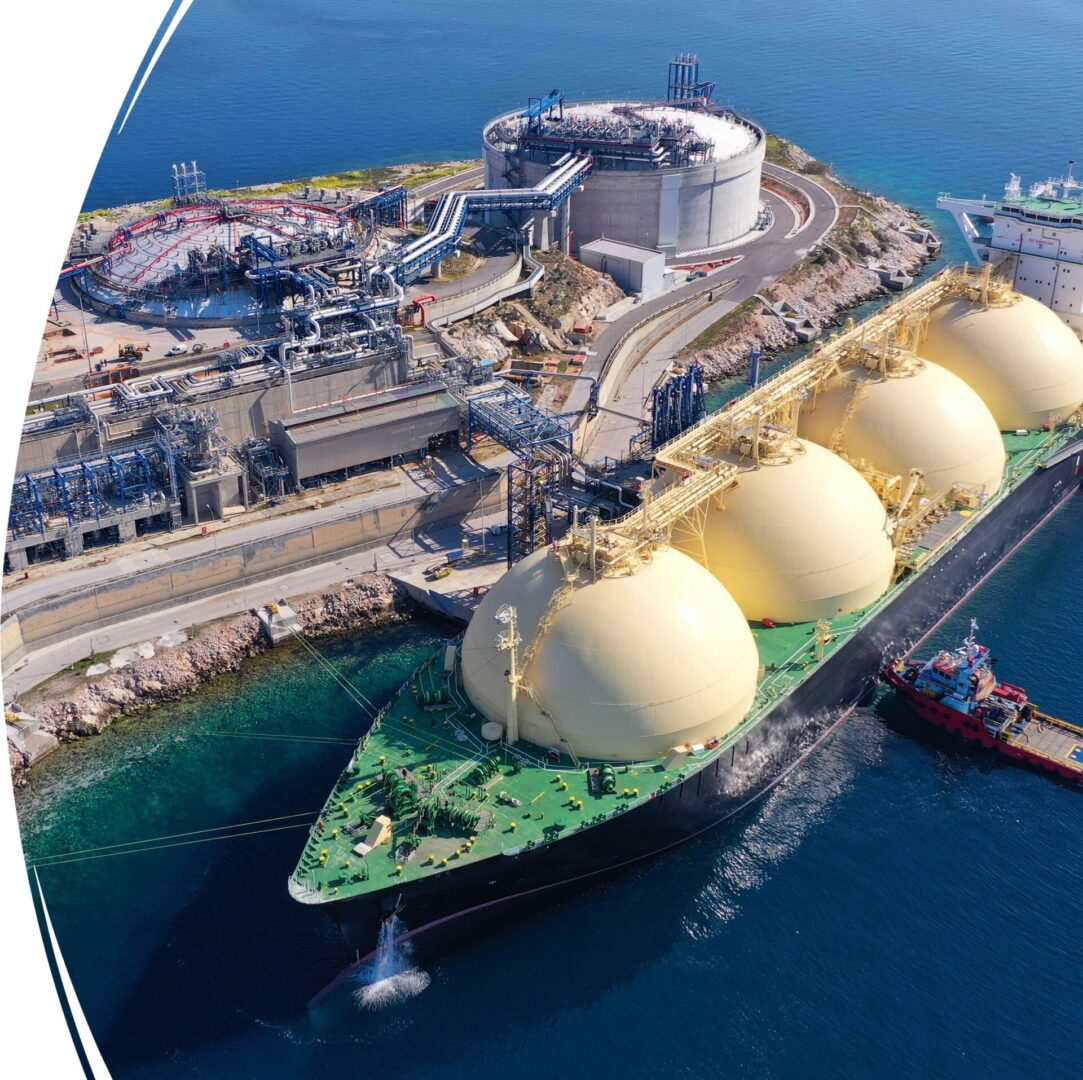
Liquefied natural gas, commonly known as LNG, is natural gas that has been cooled to a liquefied state at -260 degrees Fahrenheit. The transportation of LNG can be extremely dangerous, and there have been several notable accidents resulting in considerable damage and fatalities. The risk of fire is substantial, causing explosions that hurl equipment miles away and immediately ignite nearly everything nearby. Radiation is also a concern, and skin burns and death are unfortunately common near any accident site. The transportation and storage of liquefied natural gas is an ongoing substantial expense, as it is a very, very costly one. It is extremely inconvenient to handle. It must be stored at extremely cold temperatures. While the cryogenic tanks are designed to keep the gas cold and in its liquid state, heat does slowly impact the tanks. The LNG then evaporates, commonly called boil-off gas, which also increases the pressure inside the tanks. The most volatile components boil-off first, changing the components of LNG, a process known as “aging”. At the end of the transportation journey, the LNG often does not meet the original specifications and requirements. SNG has the opportunity to build solidification plants at LNG plants to help overcome these obstacles. Additionally, LNG as a vehicle fuel must be used within a few days as it does not stay in a liquefied state, which is why LNG is limited to heavy duty trucks traveling large distances. LNG is also more susceptible to climate change, as the location of many plants along the coast puts the facilities at risk from rising ocean levels.
Coal Energy
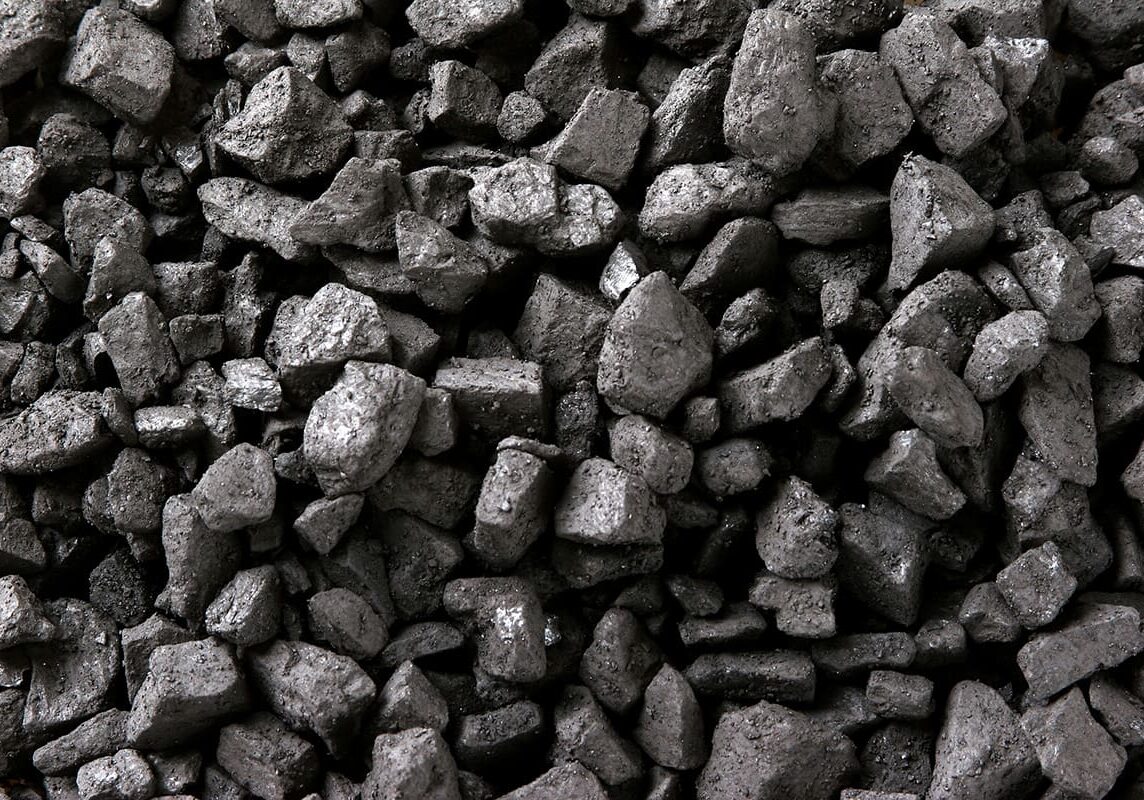
Coal is a primary source of energy for much of the global economy. It is abundant and costeffective, and newer types of “clean coal” technology promise to remove or reduce harmful material before it reaches the environment. However, there are many negative impacts of coal usage. It can pollute the air, soil, and water bodies. Burning coal results in the emission of CO2, SO2, toxic heavy metals, cadmium, arsenic, and mercury. In addition, coal is a finite and a nonrenewable resource. Byproducts of coal mining result in such dangerous outputs as arsenic, selenium, and mercury. Coal-fired power plants, which generate significant carbon emissions, are ill-suited to provide flexible energy due to efficiency decreases and cost increases when operating in a flexible peaking mode. Batteries can help offset this, but they are often three times more expensive than gas-fired generation. The global coal market value in 2024 was $790.6 billion. However due to rising global energy demands the global coal market value doubled to $1.6 trillion, in the matter of one year. Coal catalyst for beloved planet Earth’s destruction and loss of precious human lives. Ultimately, coal is the number one accelerator to global warming and is responsible for 48% of the world’s pollution.
Facts...
- Coal is the most destructive source of energy.
- Under the Paris Agreement, the world has committed to phasing out coal by 2030.
Carbon Footprint
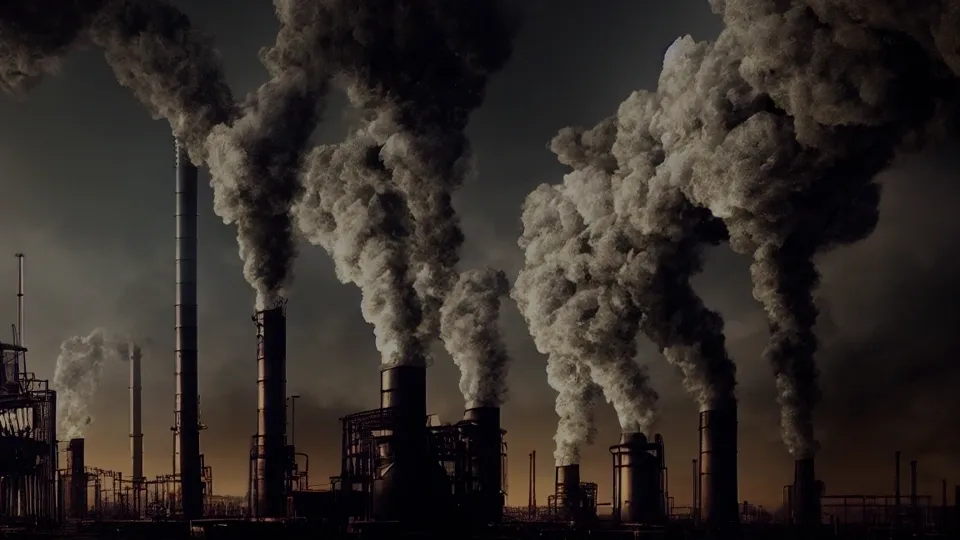
- In 2018, 89% of global CO2 emissions came from fossil fuels and industry.
- Coal is a fossil fuel and is the most contaminant of them all, responsible for over 0.3C of the 1C increase in global average temperatures.
- This makes it the single largest source of global temperature rise.
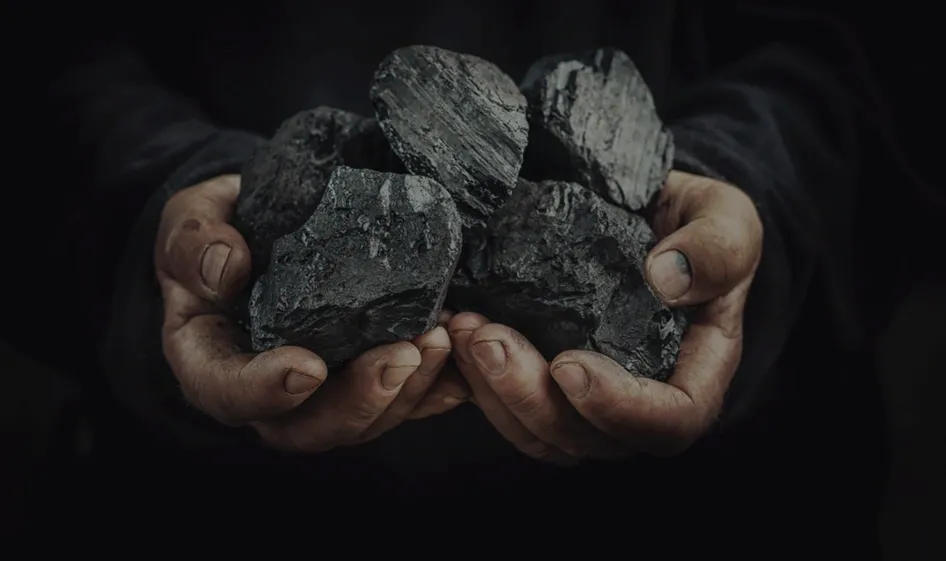
Coal Catalyst for Beloved Planet Earth’s Destruction and Loss of Precious Human Lives
Coal is responsible for 48% of global pollution, making it the most destructive source of energy.
Burning coal and mining emit toxic substances linked to serious health problems such as asthma, cancer, and respiratory and heart disease.
Significantly contributes to climate change.
It does harm at every stage of its life, from extraction to burning, affecting humans and life on Earth, hence the need to seek cleaner and sustainable alternative energy sources.
The rapid transition away from coal is critical in order to mitigate the most catastrophic effects of climate change and to create a more sustainable future for generations to come.
Many countries worldwide have committed to embracing zero-carbon solutions by 2030, which means coal will be phased out gradually.